
You’ve spent weeks, months, maybe even years believing things will get better tomorrow. Embracing the idea of mind over matter, you have tried to fake it until you make it, told yourself to just hang on, and switched up your routine in hopes of shaking off your dread, sadness, or hopelessness. But no matter what you do, the angst doesn’t let up; if anything, it just gets worse. Depression isn’t merely a bad mood or a reaction to external circumstances . . . it’s a persistent condition that impacts all aspects of everyday life. Counseling for depression offers a way to manage those difficult moments and find a clearer, brighter future.
At Cope & Calm Counseling, our therapists recognize that mood disorders aren’t just funks you can pull yourself out of.
They are intense challenges that require a compassionate ear, expertise, and tools you can actually use.

Counseling for Depression in Ridgefield, Connecticut
Expert Mental Health Professionals Specializing in Mood & Depression Treatment
Understanding Depression and Mood Disorders
Living with depression and mood disorders goes beyond feeling “low”. These dark moods can be all-encompassing and need specialized care.
Never mind starting your day on the right foot . . . just getting out of bed is a challenge.
The gnawing sadness feels like it’s etched in your soul, the shame of not being able to shake off your blues follows you everywhere, and isolation and disinterest impact relationships, your job, and everyday enjoyment.
Even when you recognize that your despair is unfounded, it feels impossible to just get rid of.
You try to find happiness in little things, look for quick-fix cures, or tell yourself, over and over again, that it’s all in your head.
Finally, you recognize that this is an obstacle you can’t overcome on your own.
And that’s where we come in.

Recognizing Depression Symptoms
Depression symptoms are never one-size-fits-all; they show up differently in different people.
They can involve emotional, physical, cognitive, and behavioral experiences, and include:
Persistent sadness and feelings of emptiness
Anxiety and irritability
Lack of interest in hobbies, career, family, and friendships
Problems with concentration, decision-making, and memory
Racing thoughts, excessive worries, and negative patterns
Changes in appetite and GI issues
Chronic fatigue and unexplained body aches
Headaches and muscle tension
Problems sleeping, which affect up to 90% of people
Isolation and withdrawal
Increased conflict in relationships
Chronic procrastination, especially in those with perfectionism
Decreased productivity
Self-care neglect
Negative lifestyle choices
Our team is uniquely qualified to offer depression therapy that helps you deal with the realm of symptoms, no matter when or how they rear their heads.
Types of Mood Disorders We Treat
We offer counseling for depression to treat a variety of mood disorders, including:
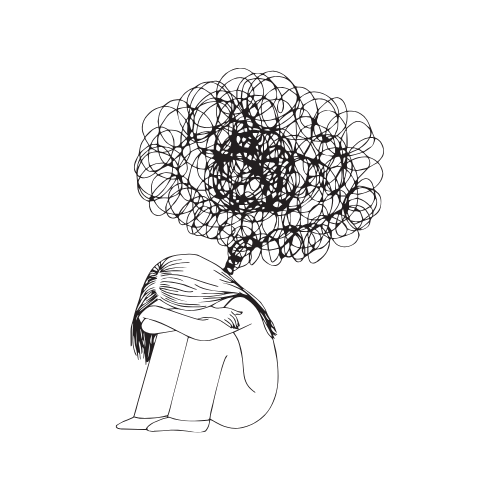
Major depressive disorder
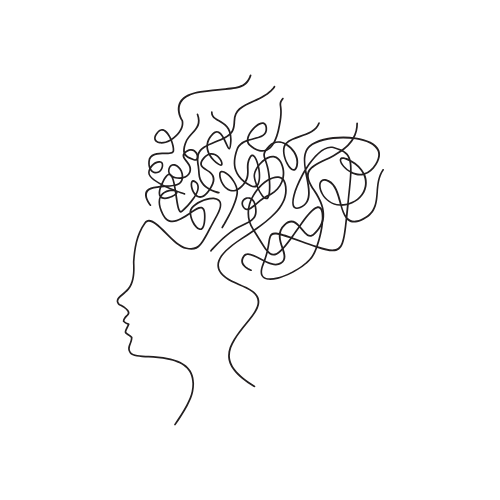
Seasonal affective disorder

Persistent depressive disorder
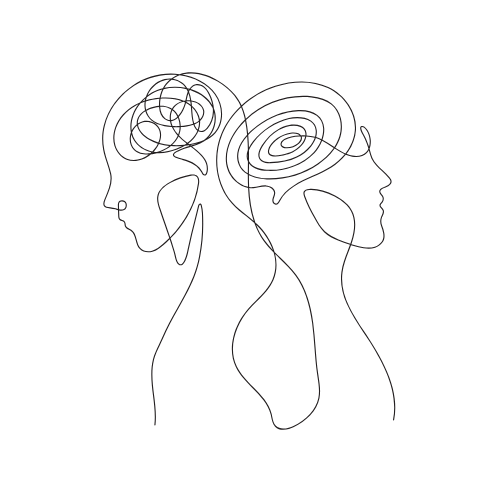
Adjustment disorder with depressed moods
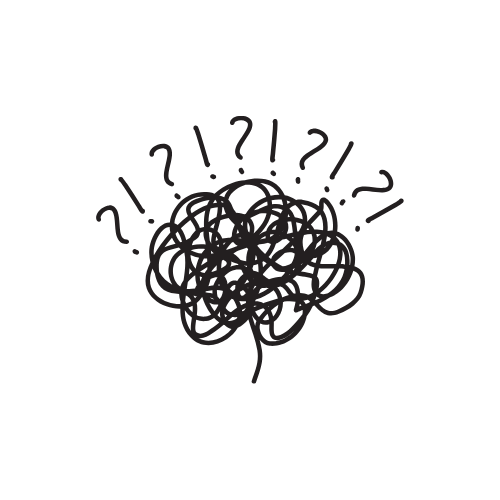
Mood difficulties related to trauma, anxiety, or neurodivergence
Bipolar disorder

We work with a variety of clients, from perfectionistic high performers to those whose depression comes with anxiety to people so burnt out they’re not sure where to turn.
Our Evidence-Based Treatment Approaches
Therapy for depression requires understanding, compassion, and consideration of co-occurring issues (such as trauma). We work to treat the entire person, rather than focusing on any one symptom.
Cognitive Behavioral Therapy (CBT)
CBT is the go-to treatment for a variety of mental health challenges. It helps turn negative patterns into healthy ones, using accessible tools to disrupt cognitive distortions and feelings of stuckness.
Our approach works to do the following:
Recognize the root cause of depression symptoms and/or what fuels them
Restore balanced thinking patterns
Replace fear-based thinking with logic
Teach easy-to-use strategies to manage symptoms
Address other issues, including anxiety
Offer tailor-made solutions depending on the individual
Plan manageable, rewarding activities by setting small goals
Acceptance and Commitment Therapy (ACT)
ACT is a type of action-based therapy. It builds psychological flexibility by helping you stay in the present moment.
ACT teaches you how to:
Accept unpleasant thoughts rather than trying to eliminate them
Learn to view thoughts as momentary hiccups rather than truths or predictions
See yourself as an observer, which allows you to separate self from sadness
Ground yourself in the here-and-now
Recognize your values and what you should focus on
Internal Family Systems (IFS) Therapy
IFS therapy looks at the different parts of yourself, recognizing which ones might contribute to depressive symptoms.
IFS can help you:
Recognize depression as a system of protective parts
Look at root issues, including trauma experienced in childhood
Recognize what the inner critic tells you versus what is real
Replace guilt and shame with self-understanding and confidence
Look at impulsive or negative behaviors you might use as a distraction
Mindfulness-Based Therapy
Mindfulness trains your brain to break repetitive, harmful patterns. It quiets the amygdala, the brain's fear center, and lowers cortisol levels (a stress hormone).
Bringing mindfulness into depression therapy can help you:
View your struggles with warmth and acceptance, rather than anger or shame
Stay anchored in the present moment
Focus on your breath and body sensations
Regulate your flight-or-fight response
Learn emotional regulation tools to manage unwanted thoughts and fears
Talk Therapy and Interpersonal Approaches
Talk therapy takes you back to basics, using the relationship between the therapist and client to address and overcome emotional difficulties.
Our depression counseling will help you:
Find acceptance and foster self-compassion
Improve relationships and social functioning
Recognize the patterns contributing to your symptoms
Shift thought patterns and develop coping skills
Enhance emotional and nervous system regulation
Prevent relapse
Why Choose Cope & Calm Counseling for Depression Treatment
Many clients with depression have spent years trying to shake off their sadness on their own. They’ve found seasons of hope only to get stuck in the same old cycles, haunted by feelings of shame, helplessness, and overwhelm.
Working with a therapist who specializes in depression therapy offers a space of acceptance, safety, and openness. Together, we’ll go below the surface, look at patterns, and develop practical tools to move forward and flourish.
Here, you’re invited to bring all parts of yourself, including the messy ones, to the table.

Take the First Step Toward Healing
Recovering from depression isn’t impossible, even if it often feels out of reach. You’ve already come this far, and now it’s time to go just a bit further. If you’re ready to try counseling for depression, overcome sadness, and learn to cope with your feelings in a healthy, effective way, we’re here to help. Schedule a free consultation today to begin.
Virtual services available for all of Connecticut. In-person appointments available on Main St in Ridgefield, CT.